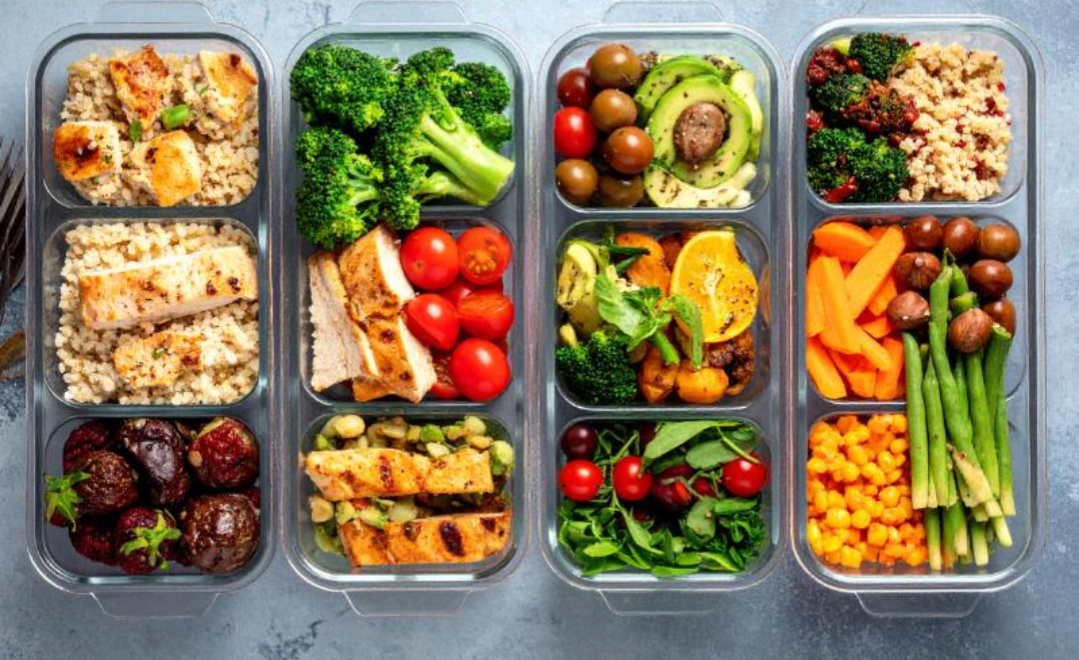

Nutrition April 20, 2026 8 min read

The Ultimate Healthy Nutrition Plan for Weight Loss

What to eat, when to eat, and how to stay consistent without relying on willpower alone.

Overview

Losing weight is one of the most common health goals in the world, yet it remains one of the most misunderstood. A well-structured, sustainable nutrition plan is still the strongest foundation for steady fat loss.

This guide breaks down how to build a healthy nutrition plan for weight loss - from calories and macronutrients to meal timing, food quality, and the software tools that help you stay consistent long enough to see results.

Why a Nutrition Plan Matters More Than Willpower

Most people fail at weight loss not because they lack discipline, but because they lack structure. Without a clear plan, every meal becomes a decision made in hunger, fatigue, or emotional stress.

A solid nutrition plan removes that guesswork. It tells you what to eat, how much to eat, and when to eat it. When followed consistently, it creates a reliable calorie deficit - the fundamental driver of fat loss.

Understanding the Calorie Deficit

Every effective nutrition plan for weight loss is built on one principle: consuming fewer calories than your body burns. A practical deficit is usually 300 to 500 calories below your total daily energy expenditure, which supports steady fat loss without pushing the body into burnout.

Your total daily energy expenditure depends on:

  • Basal metabolic rate: the calories your body burns at rest.
  • Activity level: everything from desk work to training volume.
  • Thermic effect of food: the energy used to digest and absorb nutrients.
Find your maintenance calories first, then reduce them modestly. Consistency beats aggressive dieting every time.

Macronutrient Breakdown

Once your calorie target is clear, divide those calories across protein, carbohydrates, and fats in a way that supports energy, satiety, and muscle retention.

Protein

The most important macro for weight loss because it protects lean mass and helps control appetite.

Target: 1.6-2.2 g per kg of body weight

Good sources include eggs, chicken breast, Greek yogurt, lentils, cottage cheese, and fish.

Carbs

Complex carbohydrates give sustained energy and fiber without the sharp crash caused by refined foods.

Target: 40-50% of total calories

Choose oats, quinoa, brown rice, sweet potatoes, legumes, fruit, and vegetables most often.

Healthy fats

Fats support hormone production, brain function, and the kind of meal satisfaction that reduces snacking.

Target: 25-35% of total calories

Focus on olive oil, nuts, seeds, avocados, and fatty fish.

Meal Timing and Habits That Amplify Results

Beyond what you eat, when and how you eat also influence your progress. Sustainable routines reduce rebound hunger and improve adherence.

  • Eat breakfast consistently: a protein-rich first meal can help regulate appetite for the day.
  • Do not skip meals: three planned meals and one or two small snacks is often easier to sustain.
  • Practice mindful eating: slower meals help satiety signals catch up before overeating happens.
  • Stay hydrated: drinking 2 to 3 liters of water each day can reduce unnecessary snacking.
  • Limit liquid calories: sugary drinks, alcohol, and juices add energy without much fullness.

Fiber, Micronutrients, and Gut Health

A high-quality nutrition plan does more than create a calorie deficit. It also provides vitamins, minerals, antioxidants, and enough fiber to support digestion, fullness, and overall health.

Aim for 25 to 35 grams of fiber each day from vegetables, fruit, legumes, and whole grains. The more varied your intake of colorful whole foods, the more support you give your gut microbiome and long-term metabolic health.

Using Nutrition Plan Software to Stay Consistent

One of the hardest parts of weight loss is tracking intake without turning it into a second job. Nutrition plan software removes much of that friction by letting you log meals quickly, monitor calories and macros, and see progress in real time.

LevoroFit is especially useful here. It helps users build personalized nutrition plans, log food intake, and stay grounded in measurable progress when portion sizes and macro targets still feel unfamiliar.

Consistency Tool

Using nutrition plan software for even a few weeks can build the awareness needed to recognize balanced meals without counting every gram forever.

Common Mistakes to Avoid

  • Underestimating portion sizes: use a scale or measuring cups until your eye becomes more reliable.
  • Rewarding workouts with food: exercise matters, but it rarely offsets overeating.
  • Eating too little: extreme restriction can stall progress and should not be used without medical supervision.
  • All-or-nothing thinking: one off-plan meal does not undo a good month of consistency.

Final Thoughts: Progress Over Perfection

Building an effective nutrition plan for weight loss is not about deprivation. It is about creating a structure that fits your lifestyle, supports your energy, and makes better decisions easier to repeat.

Start with your calorie target. Prioritize protein. Fill the rest of your plate with vegetables, whole grains, and healthy fats. Stay hydrated, eat mindfully, and use tools that help you stay honest and consistent. That is how progress compounds.

Back to Blog